

Call us now
08045478577

 Send Inquiry
Polyacrylamide Chemical
MOQ : 25 Kilograms
Polyacrylamide Chemical Specification
- Shelf Life
- 2 years
- Solubility
- Easily Soluble in Water
- Storage
- Store in cool, dry place, keep container tightly closed
- Packaging Type
- 25 kg Bag
- CAS No
- 9003-05-8
- Chemical Name
- Polyacrylamide
- Physical Form
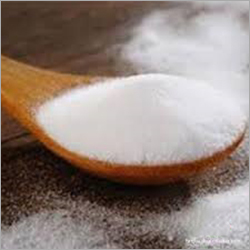
- Powder
- Grade
- Industrial Grade
- Purity(%)
- 98%
- Type
- Chemical Flocculant
- Application
- Industrial Water Treatment, Paper Making, Oil Field, Textile, Mining, Sludge Dewatering
- Molecular Weight
- 5 to 22 million
- Melting Point
- >300C
- Bulk Density
- 0.7-0.8 g/cm
- Toxicity
- Non-Toxic
- Viscosity
- High
- Ionic Type
- Anionic/Cationic/Nonionic
- Moisture Content
- 5%
- Color
- White
- pH Range
- 4-9 (1% solution)
- Odor
- Odorless
Polyacrylamide Chemical Trade Information
- Minimum Order Quantity
- 25 Kilograms
- Supply Ability
- 1000 Kilograms Per Day
- Delivery Time
- 1 Week
Polyacrylamide Chemical About
We are a profound supplier of Polyacrylamide Chemical in the market. It is widely used as thickening agent, binder, soil conditioner, super absorbent, flocculating agent, filtering aid, crosslinker, suspending agent, lubricant, and oil recovery agent. One of the largest uses of Polyacrylamide Chemical is waste water treatment to meet the demands of our customers.
Broad Applications Across Industries
Polyacrylamide is extensively used across diverse sectors, including industrial water treatment, paper manufacturing, oil fields, textile, mining, and sludge dewatering processes. Its capacity to act as a highly efficient chemical flocculant makes it invaluable for separating solids from liquids and improving overall process efficiency.
High Purity and Industrial Performance
With a purity level of 98% and an industrial-grade formulation, polyacrylamide ensures optimal results in demanding environments. Its high molecular weight and variety in ionic types (anionic, cationic, and nonionic) allow for tailored performance according to specific application requirements, ensuring reliable and consistent outcomes.
Safe Handling and Storage
Polyacrylamide is non-toxic, odorless, and safe for industrial use when basic safety practices are followed. Store it in a cool, dry place in tightly closed containers to maintain its effectiveness. Thanks to its stable powder form and high melting point, it boasts a long shelf life of two years, minimizing waste and ensuring supply readiness.
FAQs of Polyacrylamide Chemical:
Q: How is polyacrylamide typically used in industrial water treatment?
A: Polyacrylamide acts as a chemical flocculant that binds suspended particles, making them easier to remove during water treatment processes. Its high molecular weight and solubility facilitate rapid coagulation and clearer effluent without toxic residues.Q: What are the advantages of using polyacrylamide for sludge dewatering?
A: Polyacrylamides high viscosity and strong flocculating capabilities significantly improve sludge dewatering efficiency, reducing sludge volume and lowering disposal costs. Its non-toxicity ensures safe handling and minimal impact on downstream processes.Q: When should I use anionic, cationic, or nonionic polyacrylamide?
A: The choice depends on the application and the nature of the substances to be treated. Anionic types are suitable for mineral processing and wastewater with inorganic particles, cationic for organic-rich effluents and sludge, and nonionic for neutral or low-ionic strength solutions.Q: Where should polyacrylamide be stored to preserve its quality?
A: To maintain its effectiveness, polyacrylamide should be stored in a cool, dry place, away from direct sunlight and moisture. Always keep the container tightly closed to avoid contamination and degradation.Q: What is the process for preparing a polyacrylamide solution for industrial use?
A: Gradually add polyacrylamide powder to water under mild agitation to ensure complete dissolution. For a 1% solution, maintain the pH between 49 and use immediately after preparation for best performance.Q: What are the key benefits of using polyacrylamide in paper making and mining industries?
A: In paper making, polyacrylamide improves pulp retention and drainage, enhancing product quality. In mining, it aids in solid-liquid separation and tailings management, resulting in clearer effluent and reduced environmental impact.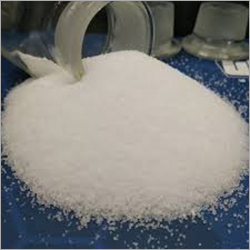
Tell us about your requirement

Price:
Quantity
Select Unit
- 50
- 100
- 200
- 250
- 500
- 1000+
Additional detail
Mobile number
Email

More Products in Water Treatment Chemicals Category
EDTA Salts
Minimum Order Quantity : 25 Kilograms
Grade : Other, Laboratory/Industrial Grade
CAS No : Disodium EDTA: 139333, Tetrasodium EDTA: 64028
Physical Form : Other, Powder / Crystalline
Type : Other, EDTA Salts (EDTA Disodium, EDTA Tetrasodium, etc.)
Chemical Name : Other, Ethylenediaminetetraacetic Acid Salts
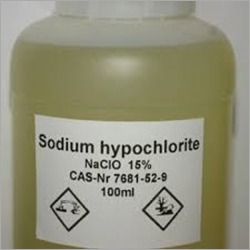
100ml Sodium Hypochlorite
Minimum Order Quantity : 25 Kilograms
Grade : Other, Industrial & Laboratory Grade
CAS No : 7681529
Physical Form : Liquid
Type : Other, Liquid Chemical
Chemical Name : Other, Sodium Hypochlorite
Hydrated Lime Chemical
Minimum Order Quantity : 25 Kilograms, ,
Grade : Industrial Grade
CAS No : 1305620
Physical Form : Powder
Type : Other, Powder
Chemical Name : Other, Calcium Hydroxide
Alum Powder
Minimum Order Quantity : 25 Kilograms
Grade : Industrial Grade
CAS No : 7784249
Physical Form : Other, Solid powder
Type : Other, Powder
Chemical Name : Other, Aluminium Potassium Sulfate

SRI MINERALS AND HARDWARE
GST : 33GYCPS3973J1ZW
GST : 33GYCPS3973J1ZW
B.No. 9, Sampath Nagar, Veppampattu Village,Chennai - 602024, Tamil Nadu, India
Phone :08045478577
 Send Inquiry
Mobile: +919884376568

 Send Inquiry
 Send SMS
SRI MINERALS AND HARDWARE
All Rights Reserved.(Terms of Use)
Developed and Managed by Infocom Network Private Limited.
Developed and Managed by Infocom Network Private Limited.

