

Call us now
08045478577

 Send Inquiry
KNIFE GATE VALVES
MOQ : 1 Number
KNIFE GATE VALVES Specification
- Inlet/Outlet
- Flanged Ends as per ANSI/BS/DIN standards
- Features
- Bi-directional, Full port, Replaceable seat, Rising/Non-rising stem, Tight Shutoff
- Noise Level
- Low
- Control System
- Manual Lever/Wheel, Pneumatic, Electric Controls
- Theory
- Linear Motion Isolation Valve
- Working Temperature
- -10C to 120C
- Caliber
- DN50 to DN1200
- Mounting Type
- Flange Mounted
- Material
- Cast Iron, Ductile Iron, Stainless Steel, Carbon Steel
- Structure
- Wafer/Lugged Design
- Power
- Manual, Pneumatic, Electric, Hydraulic Actuation
- Standard
- MSS SP-81, BS EN 593
- Pressure
- Up to 10 bar (150 psi)
- Usage
- Slurry, Pulp, Wastewater, Mining, Chemical, Food Processing
- Application
- Industrial, Water Treatment, Mining, Food, Chemical
- Seals Type
- EPDM, PTFE, NBR
- Packing
- PTFE or Graphite Packing
- Face to Face Length
- As per MSS SP-81 Standard
- Gate Material
- Stainless Steel (AISI 304/316)
- End Connection
- Wafer Type, Lug Type
- Seat Type
- Resilient or Metal Seated
- Testing
- Hydrostatic & Seat Leakage tests as per MSS Standards
- Operation
- Handwheel, Gearbox, Pneumatic Cylinder, Electric Actuator
- Size Range
- DN50DN1200 (248)
- Bonnet Type
- Open or Enclosed
- Media Type
- Liquids with suspended solids, Slurry, Pulps
- Stem
- Stainless Steel, Rising or Non-Rising
- Temperature Range
- -10C to 120C
- Body Coating
- Fusion Bonded Epoxy, Paint
KNIFE GATE VALVES Trade Information
- Minimum Order Quantity
- 1 Number
- Supply Ability
- 10 Per Day
- Delivery Time
- 1 Week
KNIFE GATE VALVES About
HYDROCYCLONE KNIFE GATE VALVE SOLUTIONS ,KNIFE GATE VALVES ON SAG MILLS , CEMENTED AGGREGATE FILL PLANT VALVE SOLUTION , PRIMARY GRINDING HYDROCYCLONE VALVE SOLUTION , TAILING FILTER PRESS VALVE SOLUTIONS
BI-DIRECTIONAL KNIFE GATE VALVE , UNI-DIRECTIONAL KNIFE GATE VALVE
Reliable Performance Across Applications
With a strong design adhering to MSS SP-81 and BS EN 593, these knife gate valves are tailored for tough industrial conditions. They function effectively in processes with high solids content or viscous materials, ensuring dependable isolation with tight shutoff. Their versatile construction makes them suitable for a wide range of water, mining, chemical, pulp, and food industry uses.
Versatile Materials and End Connection Options
Constructed from cast iron, ductile iron, stainless steel, or carbon steel, these valves accommodate demanding environments. The wafer or lugged structure, with flanged mounting as per ANSI/BS/DIN standards, enables straightforward integration into existing pipeline systems. Their bi-directional flow, replaceable seats, and low noise design further enhance adaptability.
Flexible Operation and Servicing
Operation options include manual lever/wheel, pneumatic, electric, or hydraulic actuators, allowing for both on-site and remote control. Open or enclosed bonnet designs, stainless steel rising or non-rising stems, and easy seat replacement support quick servicing and efficient operation, minimizing downtime and maintenance costs in long-term use.
FAQ's of KNIFE GATE VALVES:
Q: How do knife gate valves per MSS SP-81 handle slurries and suspended solids?
A: Knife gate valves are designed with a robust stainless steel blade (gate) and a full port passage, which helps cut through dense slurries, pulps, or liquids with suspended solids. This design minimizes clogging and ensures reliable shutoff in challenging conditions commonly found in industrial applications.Q: What types of actuation can be used with these knife gate valves?
A: You can operate these valves using a manual handwheel, gearbox, pneumatic cylinder, or electric actuator. This flexibility allows you to choose the best actuation method depending on your operational preferences, level of automation required, and installation location.Q: When should resilient seats be selected instead of metal seats?
A: Resilient seats are ideal for handling abrasive or corrosive slurries and pulps at moderate temperatures, as they provide better sealing and resistance to wear. Metal seats are better suited for higher temperature applications or where cutting through tougher solid particles is necessary.Q: Where are these knife gate valves most commonly used?
A: These valves are widely utilized in industrial settings such as wastewater treatment plants, mining operations, pulp and paper mills, chemical processing, and food processing. They're favored wherever reliable shutoff is needed for media with high solids content.Q: What testing procedures are performed before supply?
A: Every valve undergoes stringent hydrostatic and seat leakage testing in accordance with MSS SP-81 and other applicable standards. This ensures robust performance, leak-free operation, and a long service life in demanding environments.Q: How does the bonnet design and stem type influence valve performance?
A: Open bonnet designs allow for fast heat dissipation and easier visual inspection, while enclosed bonnets offer better protection from external contaminants. Rising stems provide a visible indication of valve position, whereas non-rising stems save space in confined installations.Q: What are the main benefits of using flanged ends and multiple mounting types?
A: Flanged ends as per ANSI, BS, or DIN standards facilitate secure, leak-proof connections with common pipeline systems. Wafer and lugged mounting supports versatile installation methods for both new projects and retrofit operations, simplifying integration and maintenance.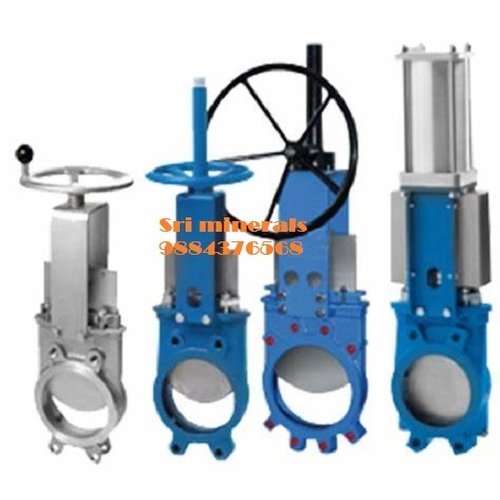
Tell us about your requirement

Price:
Quantity
Select Unit
- 50
- 100
- 200
- 250
- 500
- 1000+
Additional detail
Mobile number
Email

More Products in Pump And Pump Parts Category
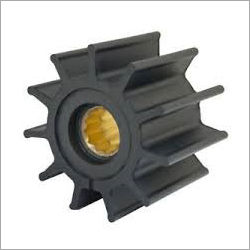
Jabsco Poly Transfer Pump Impeller
Minimum Order Quantity : 1 Piece
Inlet/Outlet : 19mm (3/4) Hose Connections
Seals Type : Lip Seal
Theory : Other, Rotary Vane (Flexible Impeller)
Head Size : Up to 15m
Flow Rate : Up to 20 L/min
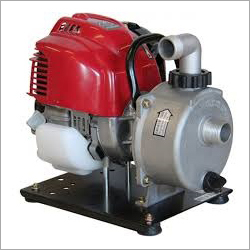
Poly Transfer Pump
Minimum Order Quantity : 1 , , Piece
Inlet/Outlet : 25 mm / 25 mm (1 x 1)
Seals Type : Mechanical Seal
Theory : Centrifugal Pump
Head Size : Up to 20 m
Flow Rate : 40 LPM
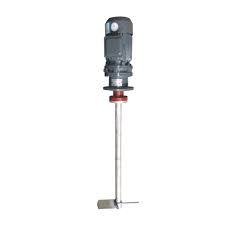
Agitator With Motor
Minimum Order Quantity : 1 Unit
Inlet/Outlet : Flanged
Seals Type : Mechanical Seal
Theory : Other, Agitation & Mixing
Head Size : Customized as per requirement
Flow Rate : Variable, depends on tank size
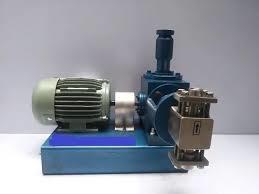
Electronic Dosing Pumps
Minimum Order Quantity : 1 Piece
Inlet/Outlet : Dosing pumps / dosing pumps with motor
Seals Type : Dosing pumps / dosing pumps with motor
Theory : Other

SRI MINERALS AND HARDWARE
GST : 33GYCPS3973J1ZW
GST : 33GYCPS3973J1ZW
B.No. 9, Sampath Nagar, Veppampattu Village,Chennai - 602024, Tamil Nadu, India
Phone :08045478577
 Send Inquiry
Mobile: +919884376568

 Send Inquiry
 Send SMS
SRI MINERALS AND HARDWARE
All Rights Reserved.(Terms of Use)
Developed and Managed by Infocom Network Private Limited.
Developed and Managed by Infocom Network Private Limited.

